Yes, acetaminophen is the same as Tylenol. Tylenol is simply the brand name for acetaminophen, which is the active ingredient in Tylenol that relieves mild-to-moderate pain, and reduces fever. So long as they are the same strength and formulation, you can feel safe purchasing either Tylenol or generic acetaminophen, as they contain the same active medication.
As a parent, choosing the correct medication can be overwhelming, especially when your child is ill and feeling uncomfortable. Here at Nebraska Home Pediatrics & Parents, we want to make sure our patients are as educated as possible when it comes to medication, and have compiled as much information as we can here on Tylenol/acetaminophen safety and dosage, as well as when to seek medical advice.
What’s the Difference Between Acetaminophen and Tylenol?
The active medication in Tylenol is acetaminophen, and so long as the concentration and dosage is the same, there is no real difference between brand name tylenol and generic acetaminophen.
| Acetaminophen |
Tylenol |
| Generic name of the medication |
Brand name |
| Active ingredient |
Contains acetaminophen as its active ingredient |
| Available from many manufacturers |
Manufactured and sold under the Tylenol brand |
| Available in children’s formulations |
Available as Children’s Tylenol and other formulations |
| May cost less as a generic |
Branded product may cost more |
What Is Acetaminophen Used for in Children?
There are two main uses for acetaminophen in children: fever reduction and pain reduction. This does not necessarily mean that a fever must be treated with a fever reducer like acetaminophen, it simply means that acetaminophen is a trusted option for fever reduction. Because a fever is typically a natural response of the body to fight infection, fever medicine for kids is generally used for the comfort of the child.
Some instances where acetaminophen is beneficial include:
- Fever
- Headaches
- Toothaches
- Minor aches and pains
- Discomfort associated with illness
- Post-vaccination discomfort (when medically appropriate)
Cases of extreme or extended fever warrant a call to your primary care provider, and may require urgent care or a trip to the emergency room, depending on the severity and your provider’s guidance.
Is Generic Acetaminophen as Effective as Children’s Tylenol?
As long as the concentration and formulation of the medication is the same, yes, generic children’s acetaminophen is as effective as children’s Tylenol. It is important for parents to compare the concentration and formulation on the labels of these medications, rather than simply looking for the brand name or active medication.
Some differences between a generic medication and its brand-name counterpart may include inactive ingredients, dyes, flavors, packaging, or the method of delivery (cup vs. syringe).
How Much Acetaminophen Can You Give a Child?
When giving your child acetaminophen, it’s important to give a dose that is as specific to your child as possible. Typically, pediatric acetaminophen dosage is based on weight. While there are often age suggestions on packaging, we recommend going by weight if you are able, in order to use the most accurate dosage. Remember to always use the dosage device that comes packaged with the medication, and to double check the medication concentration.
Some things to keep in mind as you choose dosage include:
| Before Giving Acetaminophen |
What Parents Should Check |
| Child’s weight |
Use current weight when determining a pediatric dose |
| Product concentration |
Check the Drug Facts label |
| Active ingredient |
Look for “acetaminophen” |
| Last dose |
Make sure enough time has passed |
| Other medications |
Check that they don’t also contain acetaminophen |
| Measuring device |
Use the syringe or cup that accompanies the medication |
How Often Can Children Take Acetaminophen?
When it comes to frequency of dosage for acetaminophen, it’s important to follow the product label’s instructions, our acetaminophen/ibuprofen dosage chart, or to listen to the guidance of your provider if they recommend something different than what the label dictates.
Some important tips for acetaminophen dosage and timing:
- Track the times at which you administer acetaminophen so that you don’t forget.
- Never exceed the dosing recommendation from the label or your provider.
- Do not increase dosage or add an additional dose if your child’s fever persists.
- Contact your provider if acetaminophen does not seem to be effective.
Can You Accidentally Give a Child Too Much Acetaminophen?
Yes, giving your child too much acetaminophen can be extremely dangerous, and can cause serious and irreversible liver damage. Giving your child too much acetaminophen can happen by giving doses too close together, giving them too large of a dose, or choosing a form of acetaminophen with the wrong concentration.
It’s imperative that you make a habit of checking the “Active Ingredients” section on the label of every medication you use. Administering multiple medicines that contain acetaminophen, like many cold and flu products, can have extreme consequences.
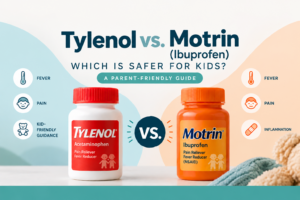
Acetaminophen vs. Ibuprofen: What’s the Difference?
Though both acetaminophen and ibuprofen can reduce fever and pain, they are very different medications. Ibuprofen can also reduce inflammation, and can be a better choice in certain circumstances, so it’s important to administer based on symptoms, rather than just assuming one is always “better” than the other. If you’re unsure of what medication to use, contact us at Nebraska Home Pediatrics & Parents and our friendly staff will be happy to help.
| Comparison |
Acetaminophen |
Ibuprofen |
| Common brand |
Tylenol |
Motrin / Advil |
| Reduces fever |
Yes |
Yes |
| Relieves pain |
Yes |
Yes |
| Reduces inflammation |
No |
Yes |
| Medication type |
Analgesic/antipyretic |
NSAID |
| Pediatric considerations |
Dosing and suitability depend on age, weight, and other factors |
Dosing and suitability depend on age, weight, and other factors |
Should You Alternate Tylenol and Motrin for a Child?
It’s common to hear that parents should alternate Tylenol and Motrin to help improve their child’s comfort levels, but we only recommend this on a case-by-case basis, after you’ve spoken to your child’s provider. Alternating these two medicines can increase the risk of dosage mistakes, and can lead to overtreatment. It’s important to treat your child specifically and their comfort levels, rather than just rely on a generic dosage schedule.
When establishing a medication schedule with multiple medicines, always check with your child’s primary care provider first.
When Should You Call Your Pediatrician About a Fever?
While acetaminophen is a trusted choice for fever reduction in children, it may not be sufficient to treat their illness. Certain circumstances require a call to your provider, or even a trip to urgent care or the emergency room.
These circumstances include:
- Very young infants (6 months and under) with fever
- Fever that persists longer than 3-4 days
- A child that is unusually sleepy or difficult to wake
- Difficulty breathing
- Signs of dehydration
- Severe headache or stiff neck
- Seizure
- Persistent vomiting
- When a parent is unsure about medication or dosage
- With any questions or concerns
Tips for Giving Acetaminophen Safely
Ready to help your child feel better, and give them a dose of acetaminophen? Follow this checklist as you administer:
Did you…?
- Read the Drug Facts label?
- Confirm that acetaminophen is the active ingredient?Check the concentration?
- Dose according to the label or your provider’s instructions?
- Use the provided measuring device?
- Record when each dose is given?
- Check other medications for acetaminophen?
- Keep all medications securely out of children’s reach?
- Contact your pediatrician if you’re uncertain about dosing?
Have Questions About Your Child’s Fever or Medication?
If you’re still feeling unsure about the medication that’s appropriate for your child, or have questions about fever, dosage, or symptoms, the friendly, knowledgeable staff at Nebraska Home Pediatrics can help. We are dedicated to providing an empathetic, thorough healthcare experience for our patients and their families. Contact us today for personalized guidance or schedule an appointment with your provider.
Frequently Asked Questions
Is Tylenol just acetaminophen?
Yes. The active medication in Tylenol is acetaminophen. Certain brands may have different inactive ingredients, but the active medication in both is acetaminophen.
Is generic acetaminophen as good as Tylenol?
Yes, generic acetaminophen is as effective as Tylenol when the concentration and formulation are the same.
Is Children’s Tylenol the same as children’s acetaminophen?
Yes, Children’s Tylenol contains the same active ingredient as generic children’s acetaminophen. Parents should always check the product label for the appropriate concentration and dosage.
Does acetaminophen reduce fever?
Yes, acetaminophen is used to reduce fever in adults and children.
Does acetaminophen reduce inflammation?
No, acetaminophen does not significantly reduce inflammation. Ibuprofen is an anti-inflammatory medication and belongs to a different class of medicines.
How often can I give my child acetaminophen?
Follow the dosage and timing instructions on the product label or consult your pediatrician. You can also reference our acetaminophen/ibuprofen dosing chart, based on recommendations from the American Academy of Pediatrics.
Can you give a child too much acetaminophen?
Yes. Too much acetaminophen can cause serious liver damage. Always follow recommended dosing instructions and check other medications for acetaminophen.
Can children take acetaminophen and ibuprofen together?
Acetaminophen and ibuprofen may be used in an alternating schedule when specifically directed by a healthcare professional. Do not combine or alternate them without medical guidance.
Should I alternate Tylenol and Motrin for a fever?
Alternating Tylenol and Motrin may be recommended in certain situations by your child’s healthcare provider. Follow their instructions carefully to avoid dosing errors.
When should I call my pediatrician about my child’s fever?
Contact your pediatrician if you are unsure about medication dosage or if your child:
- Is younger than 3 months and has a temperature of 100.4°F (38°C) or higher
- Has a persistent fever
- Is unusually lethargic
- Shows signs of dehydration
- Vomits persistently
Seek emergency medical care for difficulty breathing, a seizure, difficulty waking, or a severe headache with a stiff neck.