
Infant Sleep and Safe Sleep
Learn what infant sleep can look like, how to set up a safer sleep space, and when to talk with your baby's primary care provider.Providing a safe sleep environment and adopting infant safe sleep best practices is one of the best ways to keep your newborn baby healthy and safe, and to reduce the risk of sudden infant death syndrome (SIDS). The friendly team here at Nebraska Home Pediatrics & Parents is always available to help you with your newborn safety questions. We’ve provided a helpful infant safe sleep checklist based on CDC and AAP recommendations for our patients looking to create a safe sleep environment for their newborns.
If you have specific questions about safe sleep for newborns, please contact our office, or have them ready to discuss at your next newborn well visit.
How Much Do Newborns Sleep?
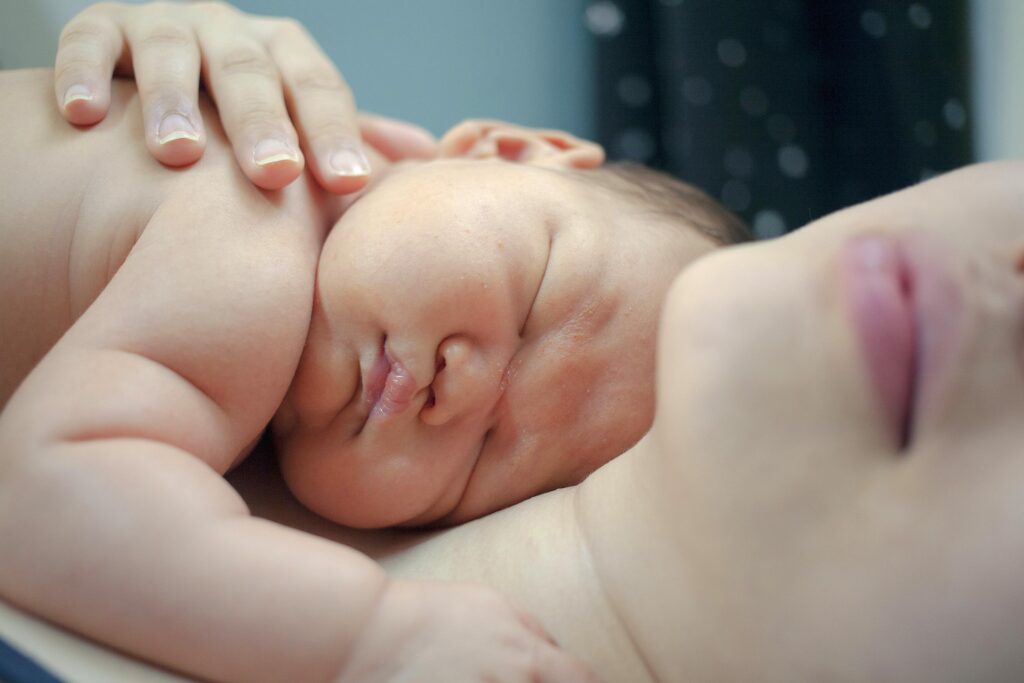
The amount of hours newborns sleep each night and day varies from baby to baby, so it’s important not to expect a consistent sleep schedule early in your baby’s life. Newborns typically sleep anywhere from 16 to 17 hours over a 24-hour period, and this sleep often happens in shorter installments throughout the day and night.
Why is a newborn sleep schedule so intermittent and unpredictable? Newborn babies feed frequently in their early days, and this hunger does not wait for a typical sleep schedule to make itself known. Newborns often feed on and off throughout the day, with their schedules gradually becoming more predictable as they grow older and develop a more traditional day-night sleep rhythm.
Safe Sleep Guidelines for Newborns
The American Academy of Pediatrics offers detailed safe sleep guidelines for babies, based on decades of study and evidence. At the top of their list is placing babies on their backs for every sleep — naps and nighttime. They should be sleeping on a firm, flat, non-inclined sleep surface in order to keep them safely on their back without risk of rolling over or off their sleep surface. It is also recommended to share a room with baby, but not a bed. This allows parents to be close enough to keep an eye on them, without the dangers of sharing a bed. Parents should avoid soft bedding, overheating, and smoke exposure. If your baby has already established a breast feeding routine and will accept one, the AAP recommends pacifier use at nap and bedtime.
Creating a Safe Sleep Area for Infants
You can reduce the risk of sleep-related infant death by preparing a safe sleep area for your newborn baby that is used for both naps and nighttime sleep. This checklist is designed to make the process simple and safe as possible.
- Use a safety-approved crib, mattress, bassinet, or play yard
- Use only a fitted sheet
- Remove all soft bedding including blankets, pillows, bumper pads, and soft toys
- Place separate safety-approved bed in the parents room for at least 6 months
- Keep the room an appropriate temperature to avoid overheating
- Do not allow the baby’s head to be covered
- Always lay baby on their back
It is important to remember that while these steps reduce the risk of sleep-related death, they do not fully eliminate it.
Room Sharing vs. Bed Sharing
While the CDC and AAP do recommend sharing a room with your baby, they advise against sharing the same bed, which increases the risk of sleep-related infant death. Newborns should always sleep in their safety-approved bed separate from their parents, especially after nighttime feeds. It’s important to avoid falling asleep on couches or armchairs with your baby, as the risk for falls or suffocation is increased.
Can Newborns Sleep on Their Side or Stomach?
Newborns should only ever be positioned on their backs for every sleep — naps and nighttime. Sleeping on their side or stomach can pose a suffocation risk, and should never happen in the newborn stage. Do not use sleep positioners to hold the baby in place on their backs — the risk of suffocation from the sleep positioner outweighs any other benefits they might offer.
Swaddling, Sleep Sacks, and Pacifiers
Some parents swaddle their babies or use sleep sacks to improve sleep quality, but these things are not required and are not proven to reduce the risk of SIDS. If you choose to use either of these things, it’s important to make sure the sleep sack is properly sized for your newborn, and not weighted. Swaddling must be stopped when your newborn begins to show signs of trying to roll over.
Pacifiers have been shown to reduce the risk of SIDS, but it is important to wait until your baby has established a dependable breastfeeding routine in order to avoid confusion or feeding disruption.
Common Newborn Sleep Questions and Challenges
Wondering how to reverse day-night confusion?
While there’s no easy, quick fix, we recommend that you make efforts to establish a clear day/night routine. This means keeping baby’s environment dark and quiet during the nighttime, and bright (with normal speaking voices and volume) during the day.
Is your newborn a noisy sleeper?
Unfortunately, newborn babies have a tendency to be noisy sleepers as they grunt, whimper, snort, and coo throughout the night. While this is quite normal, certain sounds — like a lack of breathing for 10 seconds or more — require quick attention.
Does your newborn only sleep in short stretches?
Newborn babies don’t develop regular sleeping schedules until they are at least 6 months old, and even then they could still sleep in short intervals. It is common for newborn babies to only sleep 1-2 hours at a time.
Does your newborn baby fall asleep during feeding?
It is very normal for newborns to fall asleep during feeding, especially when breastfeeding. Breastfeeding releases hormones that promote relaxation, and newborns expend a lot of energy during feedings.
When Should Parents Call a Primary Care Provider?
If your newborn is experiencing any of the following, we recommend calling 911 or seeking emergency attention:
- Breathing difficulty
- Blue/gray coloration
- Unusual difficulty waking
- Alarmingly poor feeding
- Fever: A rectal temperature of
- 100.4°F (38°C) or higher in a baby younger than 30 days
Talk With Our Omaha Primary Care Team About Newborn Sleep
As a family-focused Omaha primary care clinic, our team is uniquely familiar with the ups and downs of bringing home a newborn — especially when it comes to sleep. Our friendly, knowledgeable team of providers is always happy to answer your questions about infant safe sleep practices and safe environments, feeding-related waking, and any other sleep concerns you might have.
What If My Baby Falls Asleep in a Car Seat, Swing, or Carrier?
While we understand that it is tempting to leave your baby asleep in a car seat, swing, or carrier, the fact is that these are not infant safe sleep environments, and it can be dangerous to leave them there. Always transfer them to their safe sleep environment as soon as possible.
Newborn Sleep and Safe Sleep FAQ
How many hours should a newborn sleep each day?
Newborns typically sleep anywhere from 16 to 17 hours over a 24-hour period, but every newborn is different, so it is important to be prepared for an unpredictable sleep schedule.
Should my newborn sleep on their back for naps too?
Yes. Newborns should sleep on their backs for every sleep — naps and at nighttime.
Is it safe for my baby to sleep in a swing or car seat?
No. You should always transfer your newborn baby to their safe sleep environment after they fall asleep.
Can my newborn sleep with a blanket?
No. A newborn safe sleep environment should be free from all items, including blankets, pillows, soft toys, and bumpers.
When should I stop swaddling?
You should stop swaddling your baby when they begin to attempt rolling over.
Is room sharing safer than bed sharing?
Yes, sleeping in the same room as your baby is recommended, but sleeping in the same bed as your baby is not recommended and considered dangerous.
What if my baby falls asleep while feeding?
If your baby falls asleep while feeding, you should transfer them to their safe sleep environment.
When should I call the pediatrician about newborn sleep?
At NHP&P, we welcome all newborn questions. If you are concerned about your newborn’s sleep, please give our office a call, or ask your provider at your next newborn well visit.